writing
Finding Motivation
 |
| Middle child at 5, proud of his piano skills, and oh, so motivated. |
- Winter doldrums: Totally real thing.*** It’s cold. I’m tired. There’s less daylight, and I’m getting less vitamin D. Winter is winter, and aren’t we supposed to hibernate or something?
- Sheer laziness: Writing is work.**** Sometimes I just don’t want to work. I want to laze about and catch up on those seasons of Sherlock I’ve missed.*^5 I’m sure you understand.
- My long-term goal is messing with my head: My overall goal is to finish. But when I think of the twenty bajillion more rounds of revisions I have to face in order to reach that goal . . . well, you can see why I just want to curl up in a ball, rock back and forth, and hum Kumbaya. It’s overwhelming!
- I have kids: Yeah, this one’s pretty self-explanatory. But it never fails . . . I’m just getting in the zone when the call of the wiley one echoes through the house: “MOM! Fee! Fi! Fo! Fum! Can. You. Come. Wipe. My. Bot. Tom.” Yep, she yells it just like that. And when I go to her, she tells me that she yelled it just like that. She’s pretty proud of that little rhyme. Gosh . . . I should use that in a picture book. 😉
So I could go on.*^6 But the point is, there are plenty of excuses we can use for why we didn’t write. We need to find that one thing that keeps us going. We need to find that one song that motivates us. That one challenge that has us begging for more writing time. Because isn’t that why we started on this road in the first place?
What is your motivation?
*It may or may not have been “Part of this World” from Little Mermaid, and I may or may not have sung this song incessantly at the time. But you’ll never know for sure. 😉
**My dad’s an amazingly accomplished musician and I don’t mind bragging on him a bit.
***This is actually the reason that I doubt my ability to live in Alaska or anywhere way up North. How do you people do it?
****This it a totally true thing, too. 😉
*^5 That would refer to every season. So you can see why I really need to catch up.
*^6 Seriously. I swear I didn’t just stare at the screen for five minutes trying to come up with a fifth theory.
Speak up:
10 comments| TAGS:
kids, Kumbaya, laziness, Little Mermaid, Motivation, piano, piano lessons, winter doldrums, writingWriting for Middle Graders

My ten-year old got a Kindle for Christmas. I might be a tad jealous since I don’t even have one, but I guess Santa was feeling generous and understood just how much that kid loves to read. And encouraging reading? Well, it IS something I try to do.
One of my favorite things about the Kindle is watching how he chooses to spend his Amazon giftcards. At first, there were a couple of recently released books he was dying for (ones that were the latest in a series he’d been reading). The choices were easy. But with all the book suggestions from Amazon based on his buying history, he realized really fast that there were plenty of other books that cost a lot less than the $10 ones he’d been buying.
The kid’s good at math, so he figured out that he could get MORE books if he got the books in the $0.99 to $2.99 range. Unless it’s a deal, I found that this range usually means self-published. I know plenty of talented self-published authors who work really hard to make their books awesome, so I had no problem with this. But I tried to go through the reviews before buying, to vet his choices. Because let’s be honest . . . there’s self-published and then there’s self-published. Those who do it right, and those who . . . don’t.
There was one book in particular where I found quite a few less-than-complimentary reviews about the quality of the writing: ‘the characters are very one-dimensional’; ‘the plot meanders completely from where it started in the beginning’; ‘the story is very derivative’ . . . Big enough issues that were brought up in enough reviews that I strongly discouraged him from getting it. That said, I let him make the final choice (since, you know, it WAS his money).
Of course he got it. “It sounds really good, Mom!” And wouldn’t you know it, by the time he finished the book (later that day, I believe), he was RAVING about the thing. “This is my second-favorite book, ever!” And the kid reads A LOT of books.
This experience really made me stop. I’ve thought a lot about this. I mean, why do we kill ourselves to make our prose shine, when in the end, our younger readers haven’t yet learned to discern the difference between excellent and mediocre writing anyway? My son liked this book because it involved dragons (his favorite subject), it had lots of action, and it reminded him of other books he loved.
Isn’t that enough to strive for?
I have to conclude that it’s not. When I consider the power of a book–a well-written book–how can I settle for anything less than my best? And it’s not just about getting it right for the reader. The writing/revising of a book is a transcendent experience that I believe makes me better as a person. I learn to find empathy for the vilest of villains. I learn to consider ideas from all different points of view. I learn what’s important to me, and I solidify my beliefs as I spend hours and hours with my characters and their views.
I can’t help but think of J.K. Rowling. She wrote for middle grade readers, and she captured them with a fun and adventurous book. But her prose was so excellent, the ideas she tackled so relatable, that she didn’t only capture middle graders. She captured the world and caused a revolution in the world of books.
Yes, her story is rare, but isn’t that what we all strive for? To write something that leaves people (including ourselves) thinking well beyond the actual reading of it? How can we possibly hope for that if we don’t give it our all?
What do you hope to accomplish with your writing?
Speak up:
11 comments| TAGS:
dragons, J.K. Rowling, Kindle, middle grade, self-publishing, writingWhat I learned from NaNoWriMo
 So NaNoWriMo is finished and amazingly, I won! I finished
with 50,176 words written by Nov. 29th.
critique partner of mine told me about it. I’ll admit, I thought the whole
thing was nuts! Why would anybody kill themselves to write 50K words in 30
days, in the month of November no less? Thanksgiving alone makes the idea
insane (and I also happen to have my anniversary this month, too).
last WIP scheduled to be to my agent by the end of October, I decided to give
it a shot. Worse case scenario, I simply wouldn’t win. So why not give it a go?
As it turns out, NaNoWriMo was very educational. I learned
all kinds of things, which I’m forcing on sharing with you:
I write better in the morning. I’m sure
everyone is different, but when I found the time to do it first thing, it was
always easier. The words came faster and better, I wasn’t as distracted, and I could
enjoy the rest of my day, guilt free.
Having a more detailed outline really helped.
I hit this point where I knew I had outlined, but apparently I hadn’t written
it down, or perhaps I’d written it on some scrap that I couldn’t find. Point
is, the writing slowed down enough that I stopped for a day to outline. Things
went much smoother after that. (Did I ever stray from the outline? Absolutely.
But I could just adjust it as needed.)
Leaving myself a note at the end of the manuscript
when I finished writing for the day saved SO MUCH time! I’d simply put a
note in brackets to remind myself what I planned to have happen next. I didn’t
have to search my outline to remember where I was. I didn’t have to reread
everything I’d written the day before. And as a bonus, it plopped me right into
the mood of the story. The days I forgot to do this, I really regretted it.
I can write more than I think I can.
There were a few days on my schedule that were so packed full of things I
needed to do, I was certain that I couldn’t do any writing. Amazingly, when I
organized my time, scheduled it all—including writing time—it somehow all fit.
I had to be diligent. I had to avoid Facebook and Twitter. But it WAS POSSIBLE.
Pushing through the void helped me find my voice.
When I started, I just couldn’t find the voice. It was awful, the writing was
awful, but I knew I couldn’t afford to wait for my muse or I wouldn’t meet my
goal. As it turns out, pushing through helped me find it. Will I have a ton to
revise? YES! But I always do. Even when I have the voice from the beginning.
Forcing yourself to write ugly words can lead you to the better ones.
I learned so much about me and how I write. After 30 days of this boot-camp, I
feel like a better writer. Admittedly, I’m not promising to participate next
year, BUT . . . I plan to use this writing method to write the first draft of
my next book (which I plan to do much sooner than November).
NaNoWriMo? If yes, what did you learn? If no, think you’ll ever try it?
Speak up:
8 comments| TAGS:
NaNoWriMo, Voice, writingOn Agatha Christie
This past week I read my very first Agatha Christie novel.
I know, I know . . . no judging.
Last night, I finished And Then There Were None. Just saying, I might have had trouble going to sleep. Agatha Christie is amazing!
But what I loved best was the Author’s Note at the beginning. It was an excerpt from An Autobiography (obviously hers):
“I had written this book because it was so difficult to do that the idea had fascinated me. . . . It was well-received and reviewed, but the person who was really pleased with it was myself, for I knew better than any critic how difficult it had been.”
I love that! I love that she openly admits how hard it was to write this. Agatha Christie, pretty much the best-selling author ever, had to WORK for it. And she didn’t let the hardness of it stop her. She pushed through until she succeeded. Until she’d written a perfectly chilling book that confused and baffled, yet had a logical explanation.
The woman was brilliant!
And I say that not because everything came to her easily. I say it because she didn’t quit. She pushed herself to continue. To solve the puzzle. To do the nearly un-doable.
And when she’d finished, it didn’t matter what others thought. She knew what she had accomplished.
What are you pushing yourself to achieve?
Speak up:
13 comments| TAGS:
Agatha Christie, And Then There Were None, perseverence, scary stuff, Success, writingCelebrities with NO Make-up, Writer Edition
I’m sure you’ve seen them. Those picture-articles titled something like: “What Celebrities Look Like With NO Make-up!”
I believe they are supposed to make us feel good, because even the Stars don’t look like Stars all the time!* Which brings us to the logical conclusion that if we had our own personal make-up artists and wardrobe consultants, we, too, would look like Stars. Right?
In fact, this whole idea inspired me to share such a comparison of myself:

-
I weigh approximately the same in both these pictures. If anything, I weigh less in the not-so-nice picture.
-
These pictures are taken less than a year apart (the not-so-nice one being taken last winter, the nice one being taken yesterday).
-
I am wearing make-up in both of them.
*And I’ll give us all the benefit of the doubt that we like those Stars better for it, and feel the indignity of what the paparazzi subject them to, because who would like having their picture taken in all their worst moments?
Speak up:
11 comments| TAGS:
beta-readers, celebrity pictures, comparisons, critique partners, Hollywood, revision, weight-loss programs, writingTools
I have this cookie recipe that is just . . . Yum. So yum that people ask for the recipe all the time. Now I’m no master baker, but seriously, these cookies rock.
Which is why I was so surprised when I got some feedback that the cookies weren’t working out. Had I missed an ingredient? Forgotten to tell them something? What was the secret that I was withholding?!!
I couldn’t figure it out until I made them during a visit to my parents. The cookies weren’t the same at all! I’d used my same recipe. I’d done everything the same, so why had I failed?
And then it hit me. The pans! At home I always use a baking stone. My parents didn’t have one. And oh, what a difference it made.
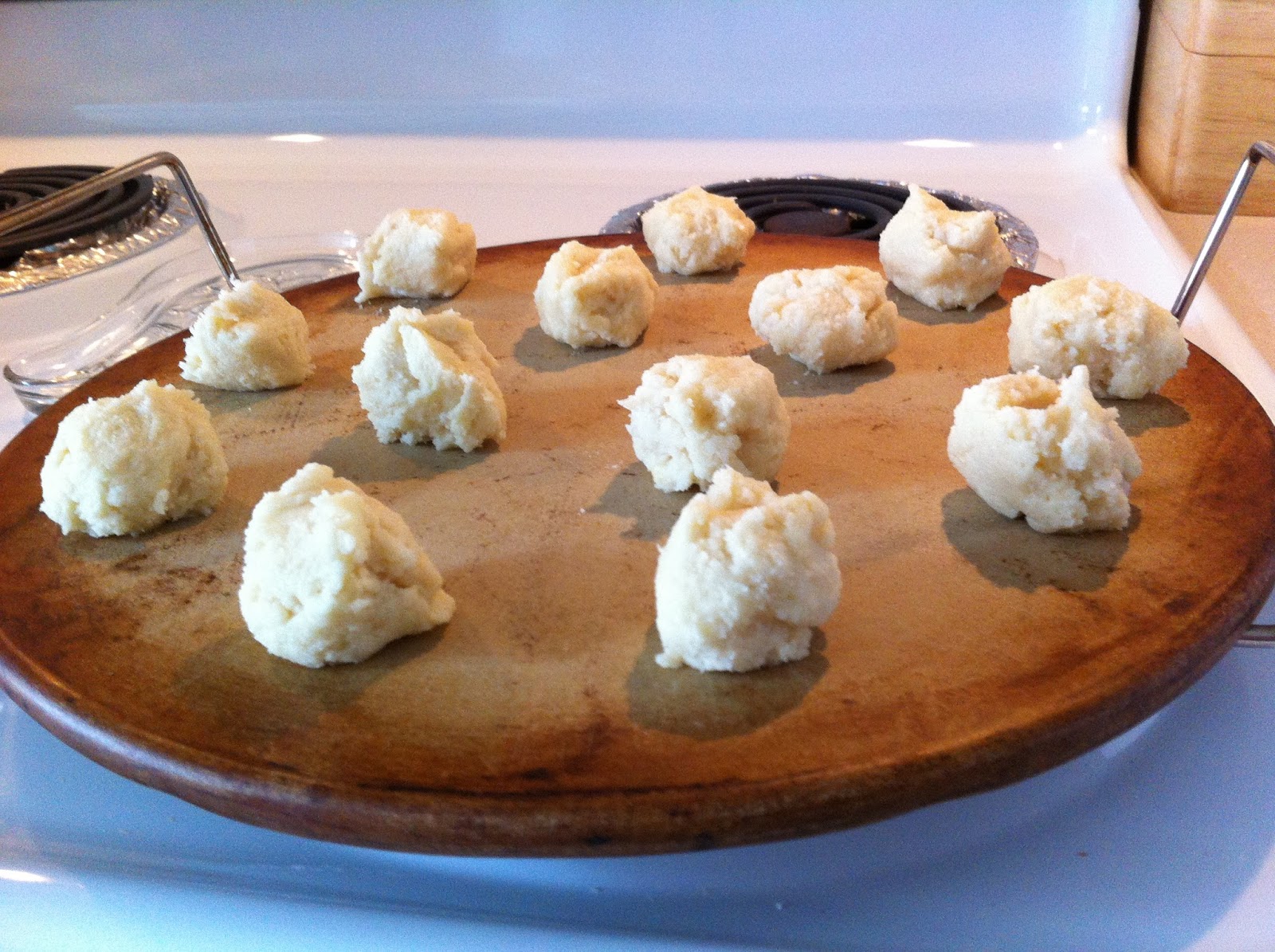
So it turns out that my cookies aren’t amazing because of any special talent I have, but rather because of the tools I use.
A lesson that applies to life. When I started writing, I thought that getting published was about talent. Only those who were born with an intrinsic ability to write could attain such a lofty goal. But I’ve since learned differently. Writing (or drawing, or playing a sport, or whatever it is you love to do) isn’t about talent. It’s about tools. And getting those tools is about work.
You want to write characters who are real? Start reading about characterization. In the blogosphere alone there are countless articles on how to do this. Check out a few books on writing, then practice, practice, practice. That is how you gain the tool of creating awesome characters. And the same goes for any other aspect of writing, or really of anything.
You don’t think your talented enough? So what! Get out there and do the work. Practice, practice, practice. Because that, my friends, is where it’s at.
Have you ever gotten a “tool” through practice and hard work?
Speak up:
6 comments| TAGS:
Cookies, hard work, practice, tools, writingKeeping it in Context
After last week’s post, I couldn’t get the idea of “Context” out of my head. It’s not something I’ve thought about consciously as I write, yet it’s kind of important.
First, what is context?
My good friend, Merriam-Webster says it’s “the parts of a discourse that surround a word or passage
and can throw light on its meaning.”
Blah, blah, blah, what?
On a basic level, this means that context is the sentence before or after a given piece of information. For example, suppose I said “I ate the little boy.” Sounds kind of gruesome, doesn’t it?
But if I give you some context (i.e. the sentence before), the whole meaning can change: “We made a pancake family for dinner. I ate the little boy.”
Relieved to know I’m not cannibal? Me, too.
And while this is fascinating stuff, Merriam-Webster also gave a second definition that is especially important to authors: “the interrelated conditions in which something exists or
occurs : environment, setting”
Environment. Setting. Sound familiar? It’s what drives every character’s reaction to every event in your book. And when we ignore Context, or simply fail to consider it, we have credibility issues.
I personally learn from examples better than explanations, so here we go.
Examples:
1. Let’s suppose we are writing an historical fiction that takes place in the 1500’s.
Our mc is a 16-year-old young woman. Of course, we all want a strong female lead, so she gives her hair pink streaks, and secretly sneaks out at night to burn corsets and rails against her father (and every other male she meets) about the repression of women and how she should be allowed to become a Blacksmith if she darned well pleases.
You see the problem? This character is not believable. She is shouting ideals of a time period well-beyond hers, and participating in activities that were probably never thought of back then.
Now, make this into a fantasy or dystopian . . . in other words, change the Context . . . and you’re on your way to some great world building. Context changes everything.
2. Let’s make this one a contemporary chapter book.

Our mc is a 5-year-old boy who loves frogs and dirt. He loves worms and bugs, and catches grasshoppers for fun, but he always lets them go. He looks at spiders through magnifying glasses, makes match-box beds for pill bugs, and hosts a sit-in protest when his mom tries to spray an anthill in her flowerbed. Then one day, he sees a garden snake and takes his mom’s hoe and hacks it to death.
Ummm . . . yeah. See the problem? In the context of this character, this is not something he would do. It just isn’t.
Now, create a circumstance that gives a new context for that action, and you might have some interesting tension and inner turmoil going on. But without that, you will lose your reader if your character doesn’t act within his own context.
3. Finally, we have a MG fairy-tale retelling.
Our mc is the 37-year-old wood-cutter from Little Red Riding Hood. The book explores the graphic details of his murderous past before he faces his own mortality and the mercy he receives from a little old lady. In a display of symbolic irony, he redeems himself by slaying the beast who ravages that little old lady and her dear grand-daughter, Little Red Riding Hood.
Now could this be a good book? Absolutely! But given the context of our audience (Middle Grade), this book misses the mark. No middle grade editor is going to read past the description. It is simply isn’t Middle Grade. Make it adult fiction, and you might have something.
Context helps define our characters as well as the setting. It outlines plausible events, and keeps us focused on our audience and genre.
Now, I am definitely not saying that you can’t mix things up a bit. But if you choose to ignore a context that you, as the author, have previously established, you risk breaking a trust with your reader.
Have you ever stopped reading a book because of context issues?
Speak up:
6 comments| TAGS:
cannibalism, context, examples, Merriam-Webster, writingLife of a Shiny New Idea (in pictures)

And to all my friends I was like, “Yeah, I got a shiny new idea.”:

But then I had to think a lot:
And I was like, “I thought shiny new ideas came all assembled!”:

But I wrote and I wrote until I was like:
And, “Squirrel!”:
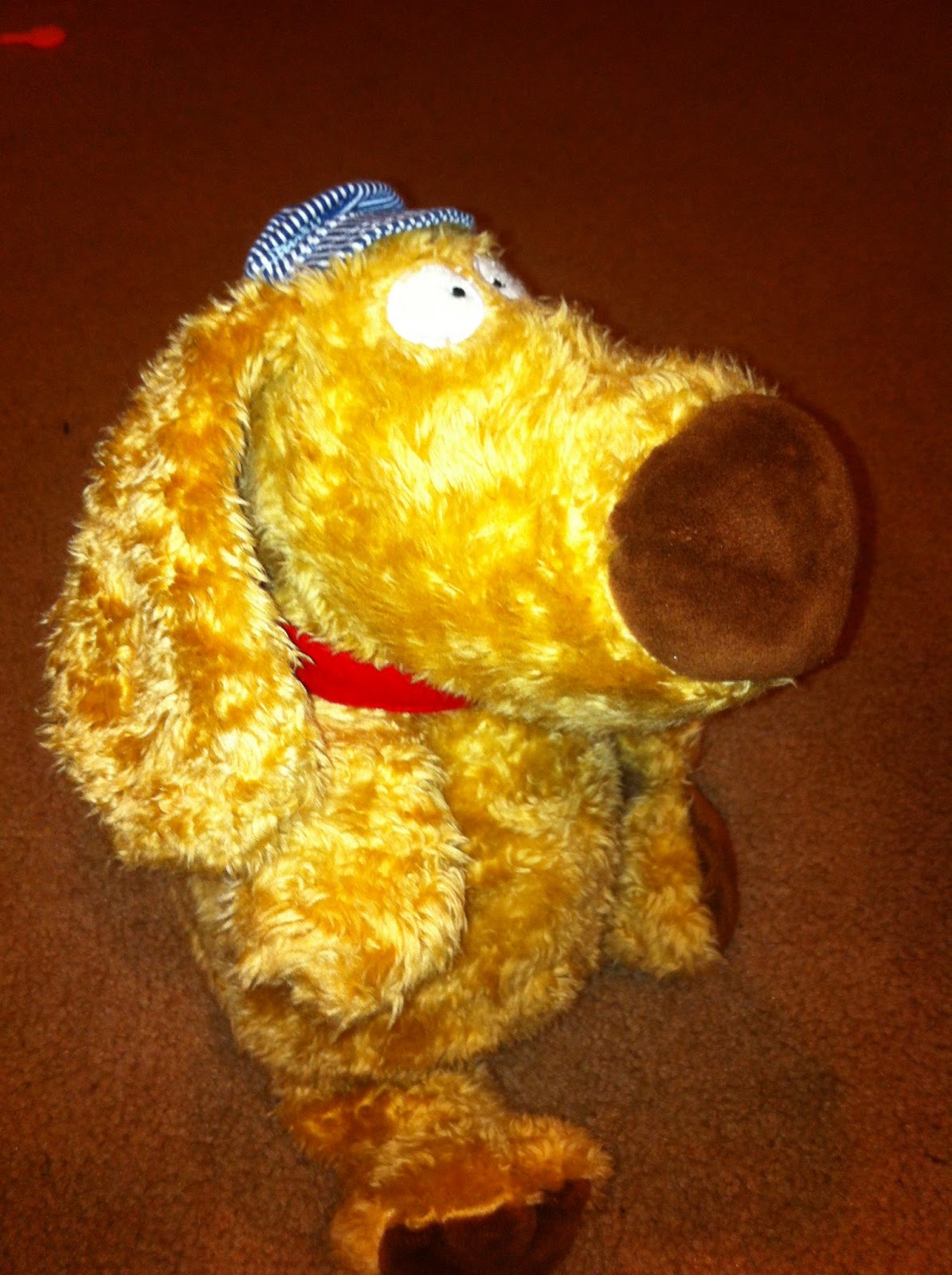
And “Oooh! Housecleaning!”:

I was going to get back to it, but then I saw this book that looked MUCH more interesting than mine:

And wait, “Is that another squirrel?”:
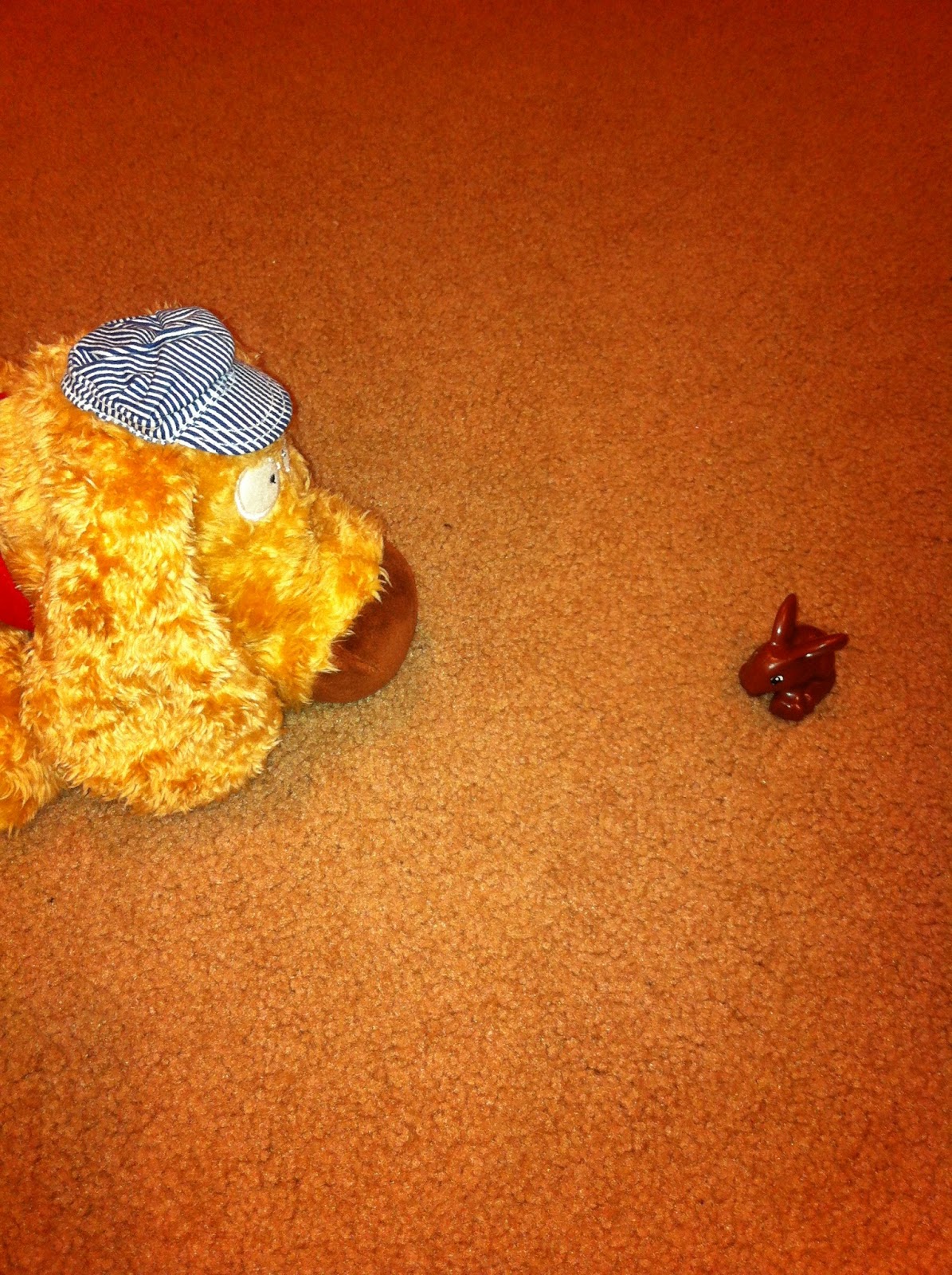
And then Darling Husband asked how my book was coming, and I’m like, “GET OFF MY BACK, I’ll get to it!”:

“I just really like housecleaning.”:

And then I’m like, “What am I saying?”:

“There are way better ways to waste my time!”:

So how do ya’ll stay on task?
Speak up:
10 comments| TAGS:
housekeeping, pictures, Shiny New Idea, writingNaNoReviMo 2012
I have known about NaNoWriMo for about 4 years now. And I have never done it.
My mini-writing challenge with Leigh Moore last March told me that I would pretty much stink at it. Like a lot.

Last year at this time, I was just gearing up for some major revisions on my book, and I was fortunate enough to discover a group working on revisions instead of writing. We called our November NaNoReviMo.
Ironically, many of us are in the same boat this year, so we have rebanded. Jessie Humphries is keeping us organized, so if you’re interested in joining, go check out her blog and shoot her an email.
Anyhoo, the point of this post is that we are supposed to publicly announce our revision goals to keep us accountable and junk like that, so here are my revision goals for this month:
- Finish revisions on PB&JF and send them to my agent.
- Finish revisions on my WIP (currently in round 2 of revisions) and send to my beta readers.
- Find a shiny new idea to begin outlining.
I know I should be more specific with daily goals, but since I’m super close on everything but the last one, my daily goal is simply to work on one of these three things. Six days a week. Definitely do-able!
So what are your writing goals this month?
Speak up:
15 comments| TAGS:
Goals, Jessie Humphries, Leigh Moore, NaNoReviMo, writingQuick Inspiration
Obstacles are those frightful things you see when you take your eyes off your goal.
~ Henry Ford
How are your goals coming this year?